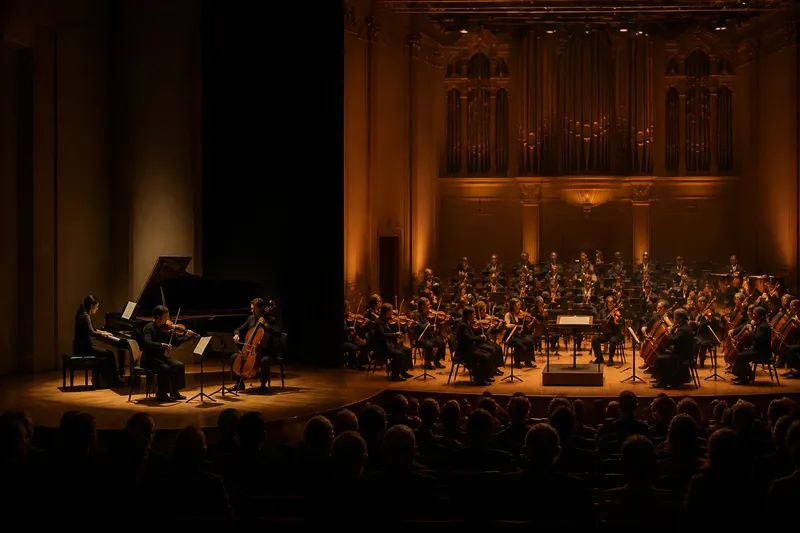
A Midweek Concert with Room to Unwind
A midweek concert plan can protect your energy: keep the hours before the performance light, then leave space afterwards to let the evening settle.
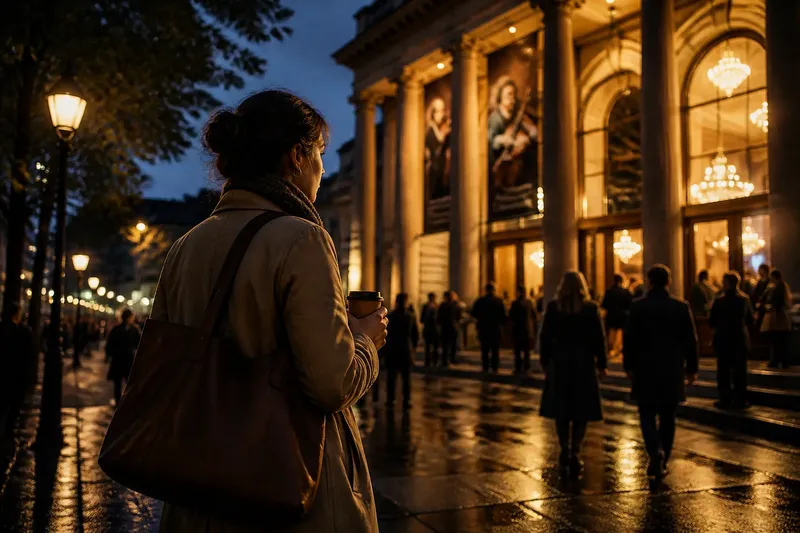
You close your laptop, notice the time, and realise the concert is only a short journey away—but dinner, a message you meant to answer and the commute home are still waiting. A midweek concert plan works best when it treats the performance as the centre of the evening, not one more appointment squeezed between obligations.
The useful idea is simple: make the hours before the music deliberately light, then keep a pause after it. That pause need not be an elaborate ritual. It is room to leave the hall without rushing straight into another demand, and to let the concert remain part of the evening rather than a blur between work and sleep.
Protect the stretch before the doors open
A workday has a habit of expanding to fill the time available. If you expect to finish a task, travel across town, eat properly and arrive just as the lights dim, even a small delay can make the evening feel hurried. Decide in advance which work can wait and give yourself a clear point at which to stop.
That point might be the end of a meeting, the moment you send a handover note, or the time you close your work bag. It helps to choose a stopping cue that is visible rather than relying on the vague promise to leave “when things calm down”. An unfinished task can be recorded in a short note for tomorrow; it does not need to accompany you into the concert hall.
Keep the pre-show plan modest. A simple meal near home, a packed snack, or dinner at a café close to the venue may suit better than a booking across town. If you are meeting someone, agree on one arrival place and a realistic time, rather than trying to add several errands to the same journey.
Make the journey part of the breathing space
Check the route before the day, including the walk from the station or bus stop to the venue. A paper map, a saved route on your phone, or the venue’s access information can help you see where the final stretch begins. The aim is not to plan every minute, but to avoid using the journey to solve basic logistics while you are already tired.
Leave a little room for ordinary disruptions: a late train, a queue at the cloakroom, or a slow walk through a busy foyer. A flexible arrival is usually calmer than aiming to reach your seat at the last possible moment. If you arrive early, you can use the time to find the toilets, locate your seat and settle without trying to turn the wait into another task.
Say you finish work near a station and have an evening performance across town. You could pack a sandwich, check the route before leaving the office and choose a train that lets you reach the venue with time to spare. If the train is delayed, the meal is already covered; if it runs smoothly, you can sit quietly in the foyer rather than hurry through dinner.
Choose a pre-show routine that does not demand much
Food is often the decision that makes an evening feel either manageable or over-programmed. A light meal before travelling may be easier than searching for a restaurant near the hall, particularly if many audience members arrive at the same time. If you prefer to eat after the performance, make that choice in advance and check what will still be open, rather than counting on finding something spontaneously.
Clothing can be handled just as simply. Check the venue’s guidance if you need to know about coat storage, accessibility or items that cannot be brought inside; otherwise, choose clothes that suit the weather and let you sit comfortably. A small bag with your ticket, travel card, any necessary medication and water for the journey can prevent last-minute rummaging. Follow venue instructions about what may be carried into the auditorium.
Not every spare minute needs to become productive. It is not worth packing a complicated meal, squeezing in a distant appointment or planning a string of stops merely to make the evening feel efficient. A calm arrival is more useful than a packed schedule whose success depends on everything going exactly to plan.
Leave a deliberate pause after the performance
The pause after a concert is not necessarily a long stay in the building. It can be as small as sitting for a moment before standing, walking at an unhurried pace to the station, or taking a quieter route home. What matters is leaving some room between the last note and the next obligation.
Decide what you want the pause to protect. If you need to be up early, the most helpful choice may be to go straight home without adding a late meal or a long conversation. If you have time, a short walk or a warm drink can make the journey feel less abrupt. Neither option is more devoted to the music; choose according to your energy and what the next morning requires.
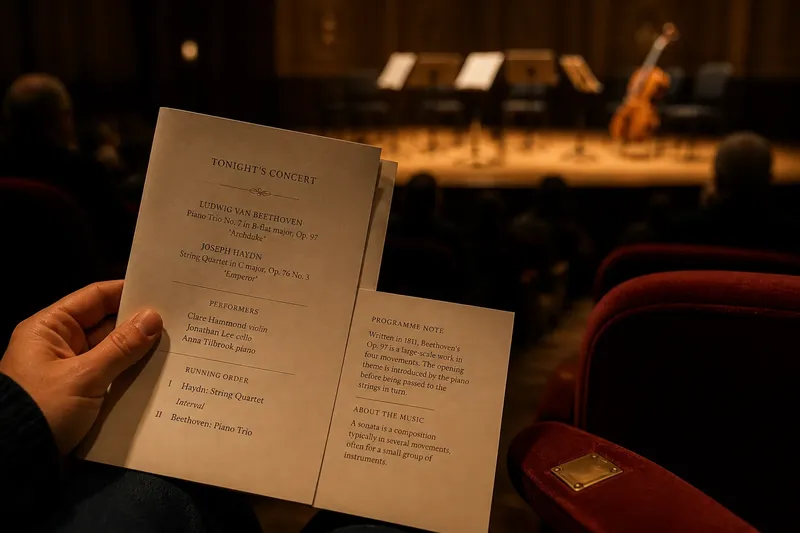
Avoid making an immediate verdict the price of leaving the hall. You might enjoy a detail in the moment and understand its effect only later, or find that your impression changes on the journey home. A note in your phone or a few words on the programme can hold onto a thought without turning the walk back into a review session.
How can you keep the evening flexible?
What if work runs late?
Know the venue’s late-admission policy before the day, since access after a performance begins varies. If you may miss the opening, decide in advance whether attending part of the concert would still feel worthwhile, and avoid rushing in a way that makes the journey unsafe or stressful.
Should you eat before or after the concert?
Choose based on your appetite, travel time and what is available near the venue, not on an idealised schedule. Eating beforehand can remove one decision later; eating afterwards can suit a shorter journey or a performance that ends early enough.
What should you do during the interval?
Use the interval for what you actually need: a drink, the toilet, a stretch or a quiet moment in the foyer. If you prefer to talk about the first half, keep the conversation light enough that you can return to your seat without feeling hurried.
How can you make the journey home feel calmer?
Check the broad route and the last practical travel options before leaving, then keep your choice simple. If you are travelling with someone, agree whether you will talk, walk quietly or separate at a station rather than negotiating it while tired.
Let tomorrow remain manageable
A midweek concert plan includes the morning after, but it does not need to become a productivity scheme. Put anything essential for the next day where you can find it, such as work keys or a packed bag, before you leave. That small preparation can reduce the temptation to cut short the post-concert pause because you are worrying about an avoidable scramble.
Keep the return home proportionate to the night you want. You may prefer to travel directly, have a simple supper ready, or leave a little time to talk with a companion. If the performance has left you alert, a quiet stretch at home can help the evening settle; if you are tired, going to bed is a reasonable way to honour the fact that tomorrow is still a working day.
The best midweek concert plan is not the one with the neatest timetable. It is the one that makes room for the music on both sides: enough ease beforehand to arrive present, and enough pause afterwards to carry a thought or feeling home without immediately asking it to become something else.